JCI Peninsula



Background
Founded in 1969, JCI Peninsula is the fourth chapter established in Hong Kong and the first to use Chinese as its working language. It is a non-profit organisation registered with the Hong Kong government. In the Jaycee spirit of 「服務社會,訓練自己」, it sets out to care for society and take up civic responsibility through constructive projects; to develop personal potential and leadership; and to open business cooperation and international networks.
Recognition from community leaders, government officials, the private sector and the media has followed decades of work. Chapter management, leadership training and contribution to society have been publicly acknowledged: three times the world’s most outstanding chapter (1986, 1991 and 2002), plus 18 other World Congress awards; five times the most outstanding chapter in Asia-Pacific (1988, 1995, 1996, 2004 and 2017), plus 24 other Asia-Pacific awards; and 18 times Hong Kong’s most outstanding chapter.
Through JCI’s four areas of opportunity, the chapter develops young people’s potential. Members learn by planning projects, and grow into 「今日青商,明日領袖」.
Projects
- [Publication] The SHOT
- [International Affairs] Blue Sky Returns
- [Leadership Development] Dialogue with the Future
- [Business Affairs] Wisdom of Business
- [Community Development] MISSION R.E.D.
JCI Peninsula’s 2026 flagship projects
The fourth 「與未來對話之明日保育領袖」 is JCI Peninsula’s flagship this year. The chapter’s aim remains 「以瞭未來、關懷社會」: take up real challenges and help society move. The competition builds conservation awareness and leadership. Teams of Secondary 3 and Secondary 4 students from across Hong Kong explore how development and conservation can be held together in the Northern Metropolis. Thirteen schools are taking part.
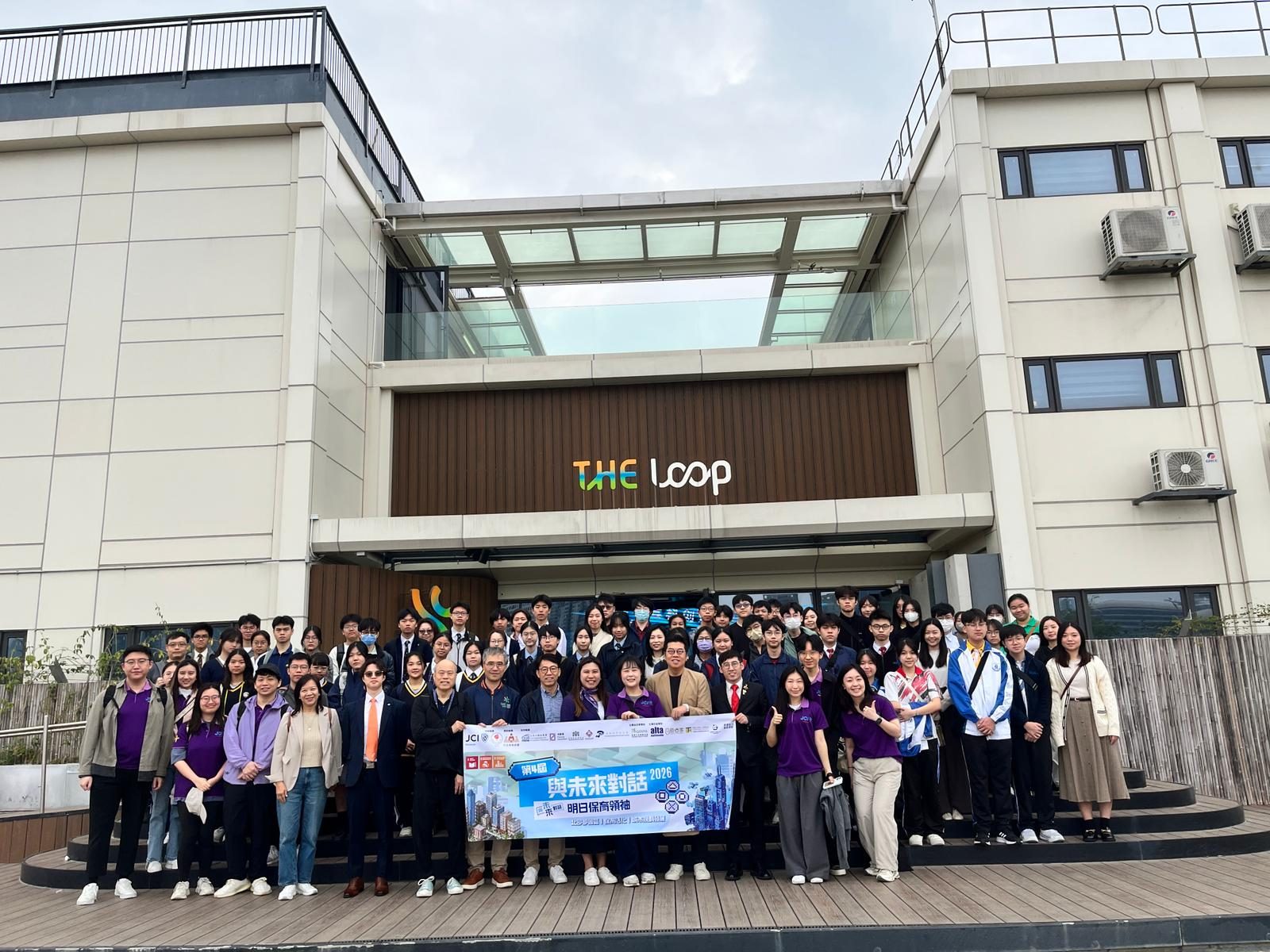
The competition helps students understand planning for the Northern Metropolis, see why a city has to weigh conservation and development together, and grow into active citizens with a view of Hong Kong’s future.

Each team has four to six students, and each school may nominate one team. The study area is the Ngau Tam Mei New Development Area. Teams work at two levels. The first analyses location, how land uses affect one another, and links with the university town, the teaching hospital and nearby ecological space. The second, drawn by lot, takes a specific site and a type of conservation — ecological, cultural, architectural, tourism, education or historical — and proposes a creative, workable public-facility scheme.
Students are encouraged to use mainland and overseas cases, and ideas such as blue-green resources, the 15-minute living circle, carbon neutrality and urban-rural integration.
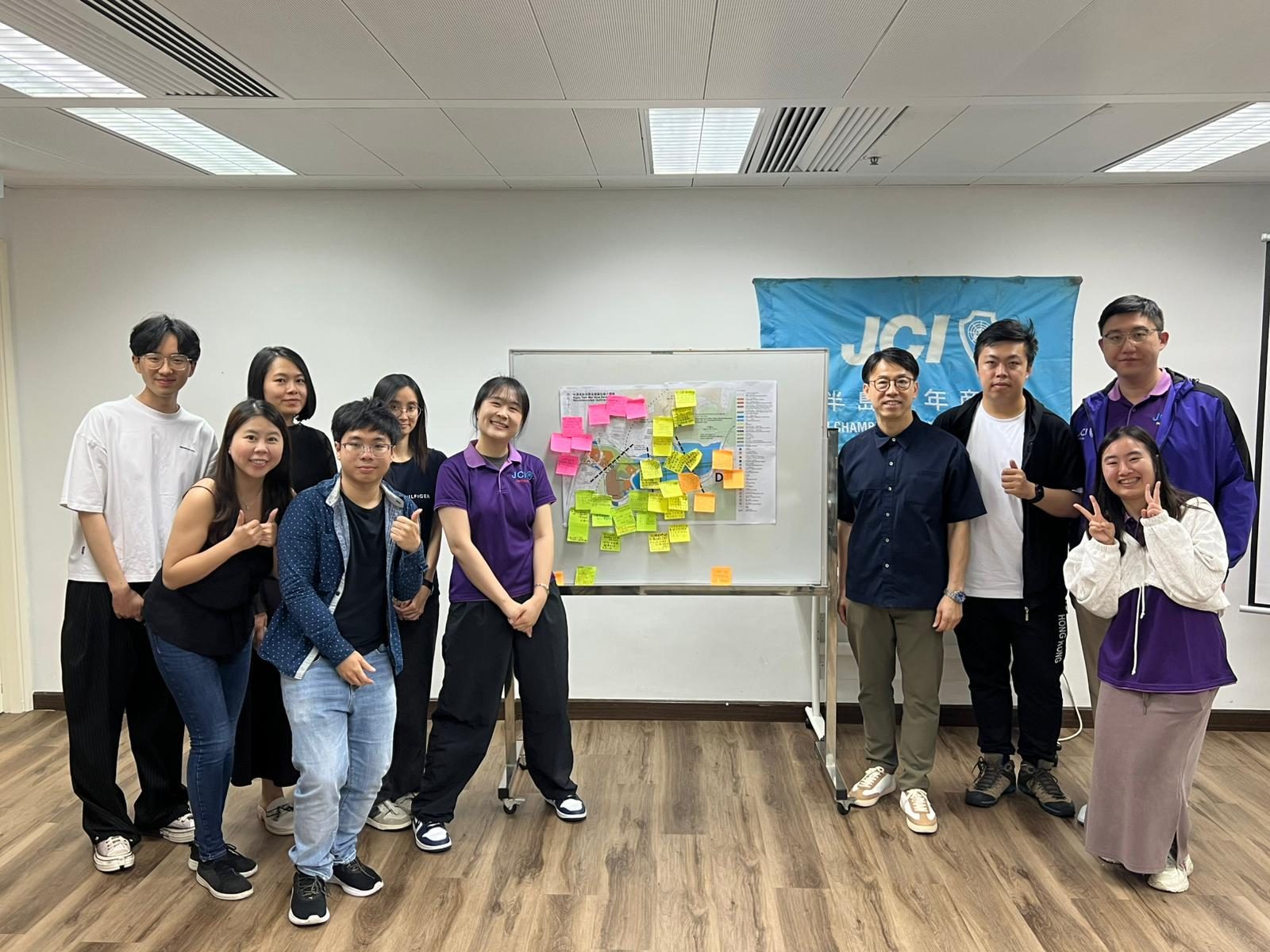
Workshops from March to May 2026 equipped them for the task: an opening and a guided visit to the Lok Ma Chau Loop innovation gallery on 21 March; an AI skills workshop on 11 April; a presentation workshop on 2 May; and a debate workshop on 23 May. Preliminary work, an A2 panel and a three-to-five-minute video, was due on 31 May. Finalists present, and the closing is held, on 5 July.
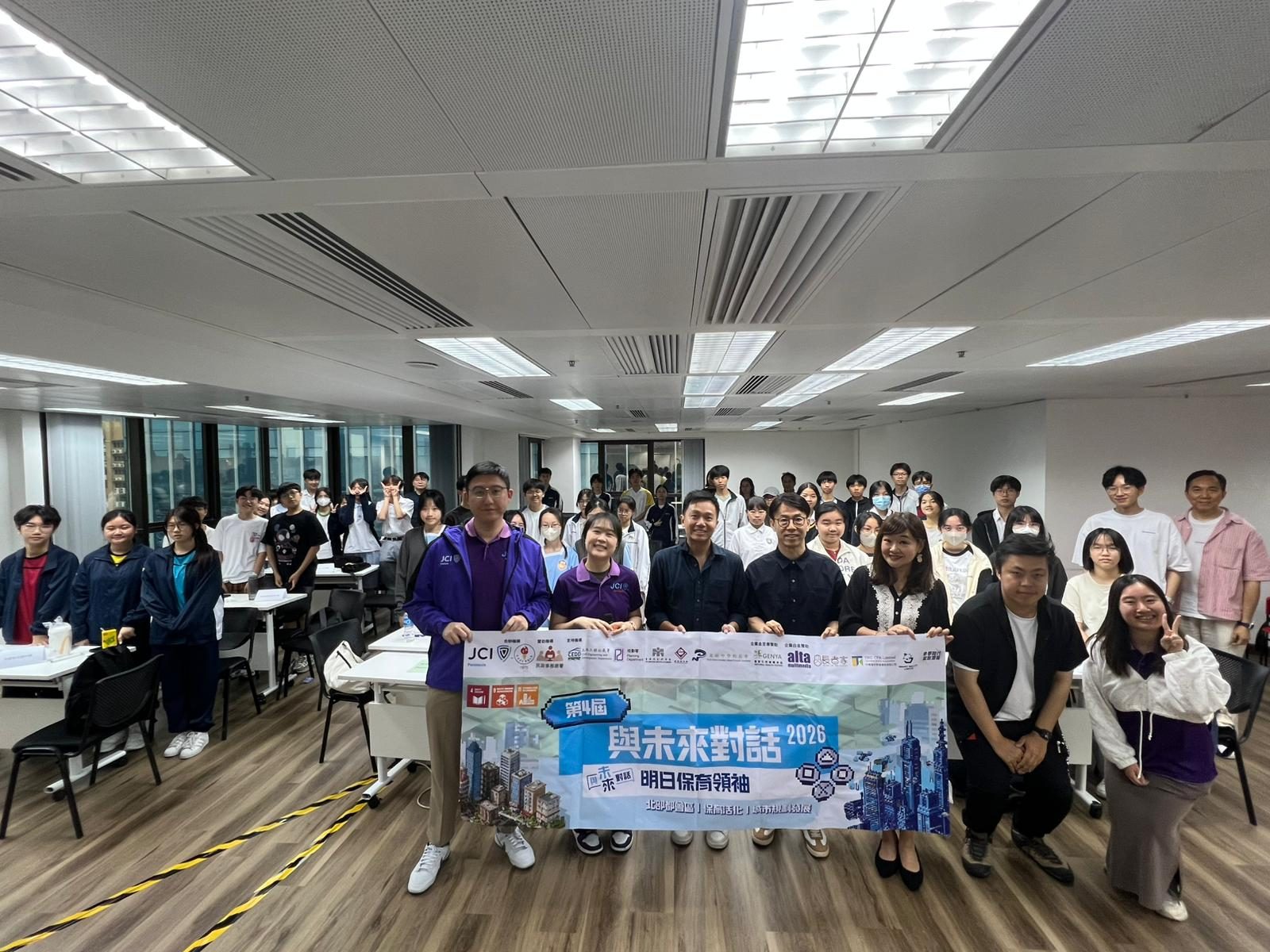
The chapter wants a platform that takes students out of the classroom and into the community, so that they become 「明日保育領袖」 who actually care about Hong Kong’s future. Workshops so far have been full, and the response has been positive.
Events Overview
JCI Peninsula has published a survey on how young people from the mainland who live in Hong Kong are adapting, and how they plan their future. The team interviewed 608 people. For the first time the report compares students with young people already at work, in support of a “joining of hearts” for talent in the Greater Bay Area.
Five differences stand out. Willingness to stay splits at the workplace: 63 per cent of working respondents want to stay, against 49 per cent of students.
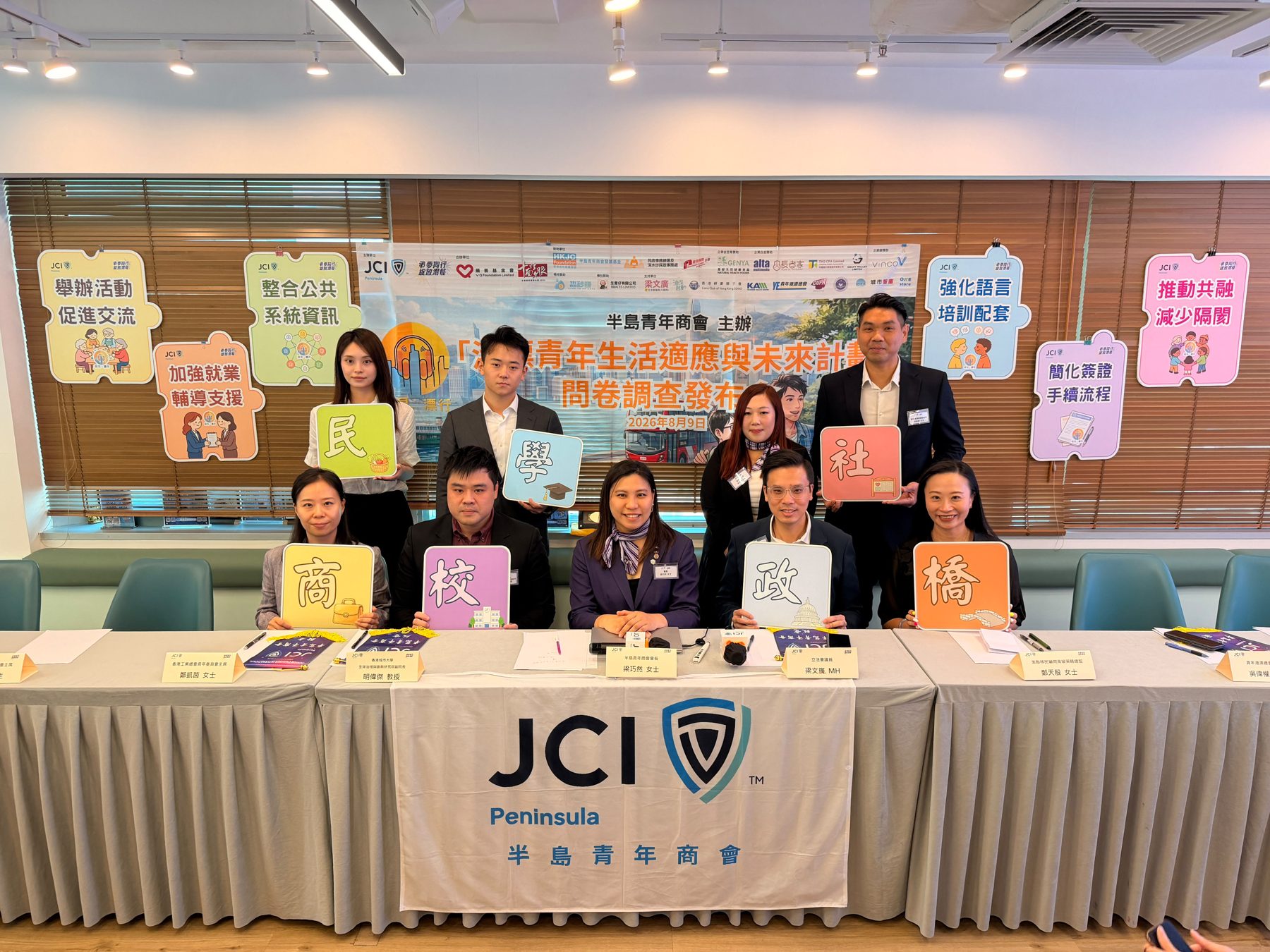
The longer the stay, the warmer the view: among those who have lived here for three to five years, 92 per cent want to remain. The pains differ.
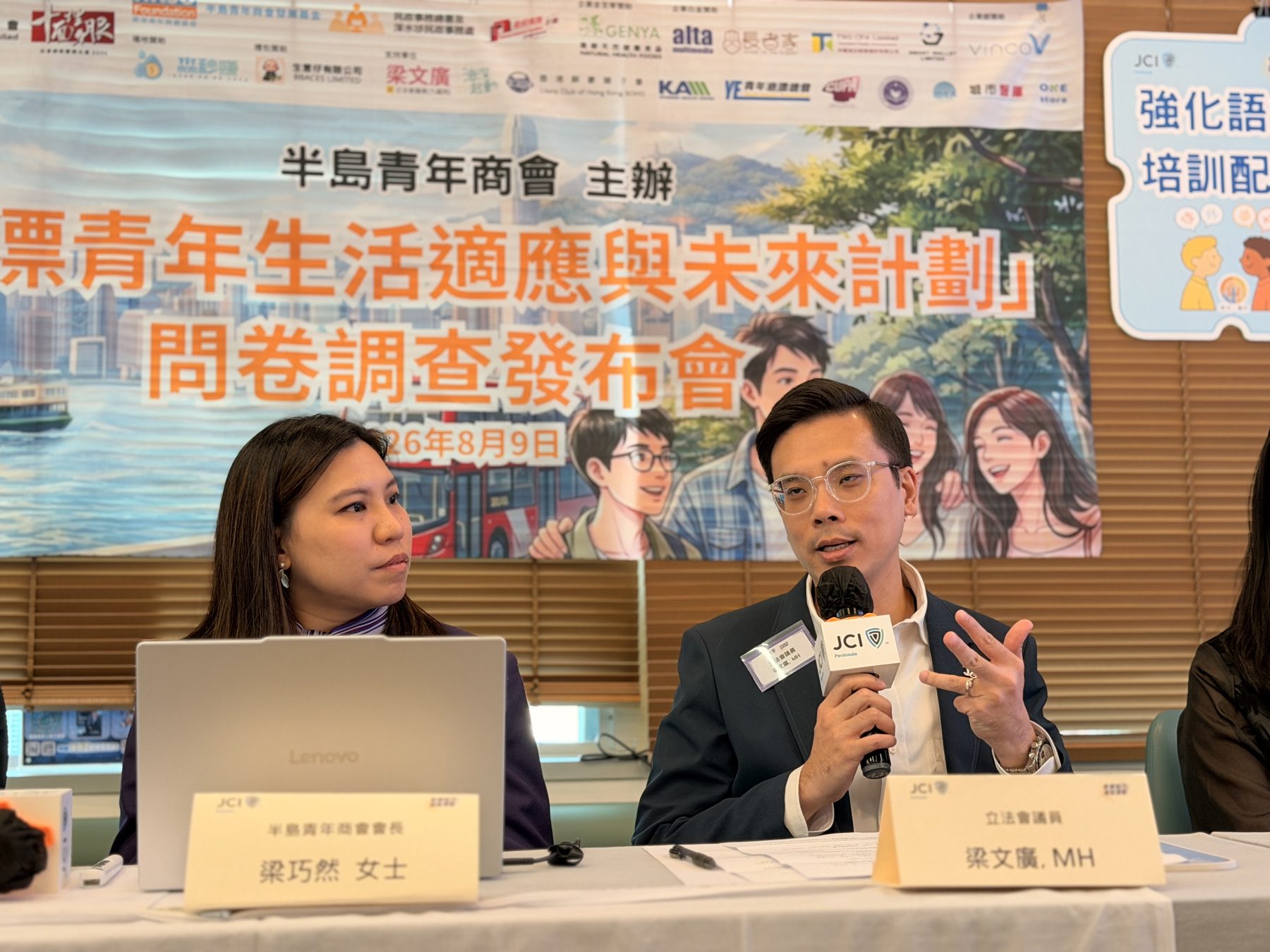
Students worry more about language (44 per cent) and competition for jobs (64 per cent); people in work worry more about visas and the cost of living.
Social mixing is stronger among working respondents (72 per cent) than among students (53 per cent).
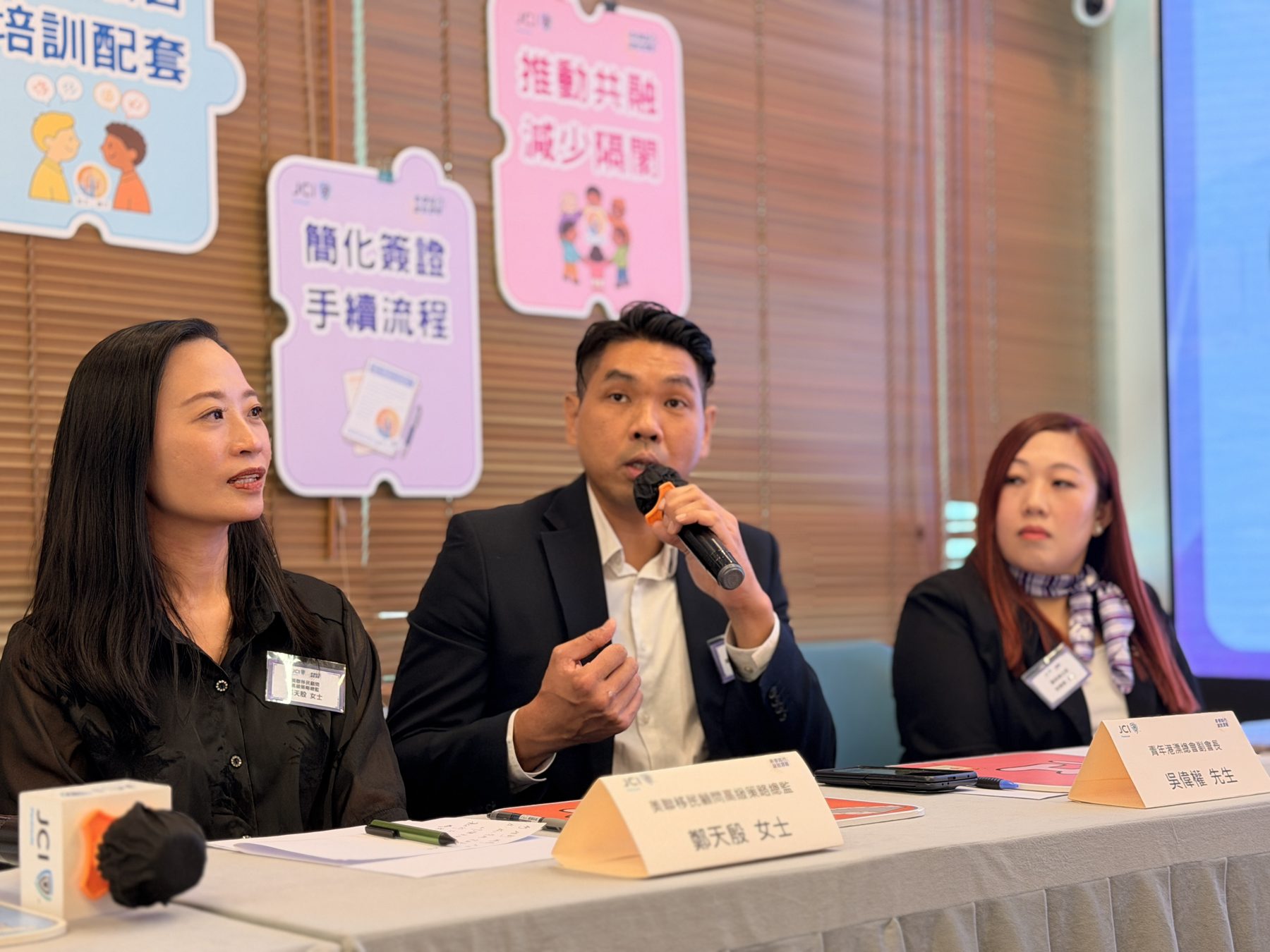
Administrative reform is noticed: 46 per cent of working respondents said the longer window for renewing a visa had made a real difference.
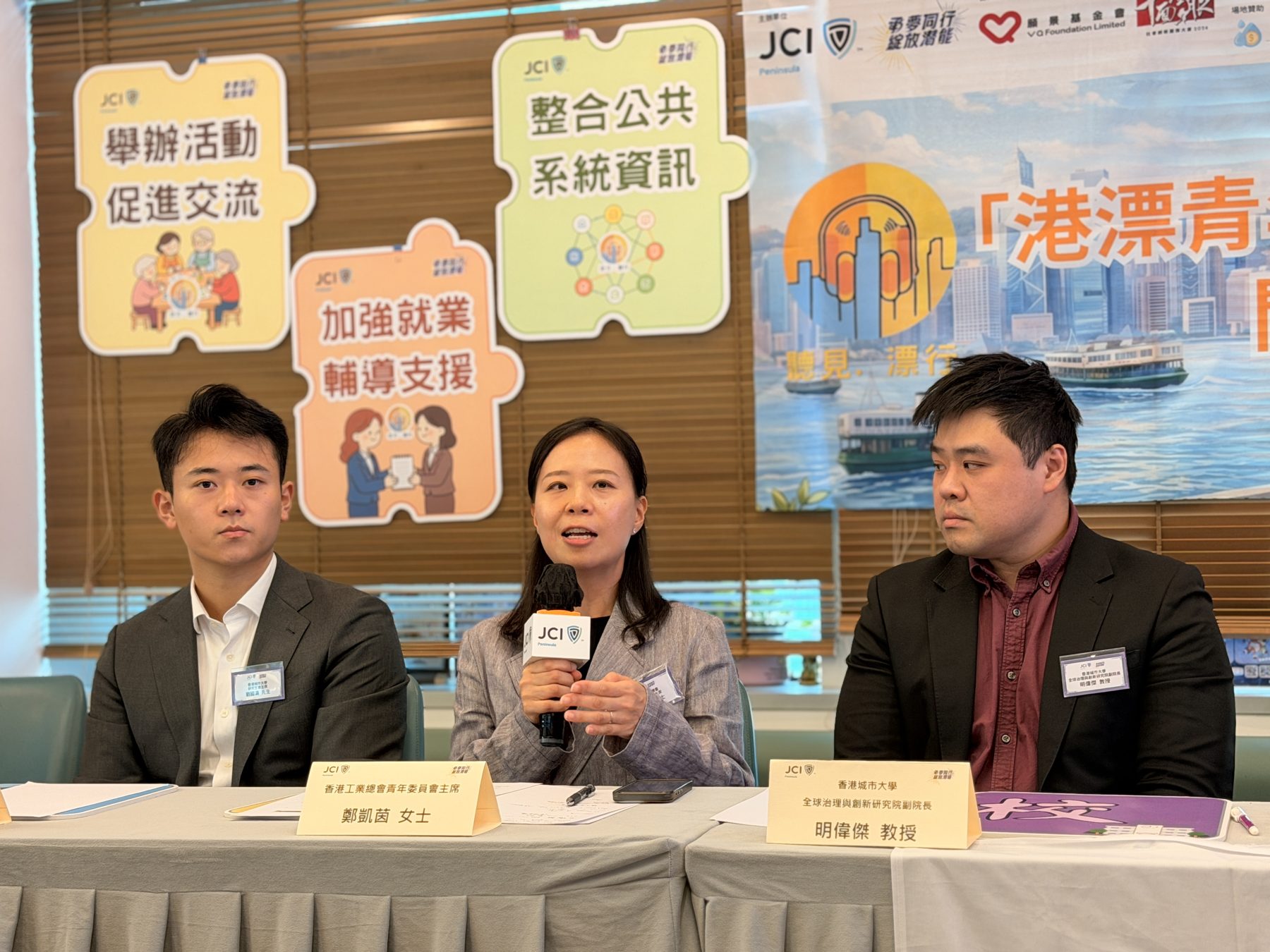
The chapter makes six proposals: stronger Cantonese support; one set of living guidance; smoother visa work across departments; a path from campus to workplace; more community connection; and cultural inclusion in both directions.
For the Greater Bay Area, the project argues that integration has to move from hard infrastructure to a joining of hearts. Helping these young residents through cultural barriers, and into a deeper identification with Hong Kong, enlarges the country’s talent pool and, through their own accounts, carries a three-dimensional Hong Kong story back to the mainland.
Projects
 [Publication] The SHOT |  [International Affairs] Blue Sky Returns |  [Leadership Development] Dialogue with the Future |  [Business Affairs] Wisdom of Business |  [Community Development] MISSION R.E.D. |